The Chinese automotive industry is currently the largest in the world, leading the global shift toward electric vehicles (EVs) and smart car technology. Driven by massive tech integration, rapid production, and highly competitive pricing, Chinese car companies have expanded aggressively from their domestic market into Europe, the UK, the Middle East, and Southeast Asia. [1, 2, 3, 4, 5]
Here is a breakdown of the major players, their unique features, and the pros and cons of Chinese automobiles today.
The Big Giants (Traditional & EV Leaders)
These massive automotive groups produce millions of cars every year and have acquired famous global brands to expand their reach. [3, 5, 6, 7]
- BYD (Build Your Dreams): BYD is a global titan in green mobility and one of the world’s largest electric vehicle makers. They make their own batteries and are famous for ultra-fast charging tech. Popular models include the Han EV, Tang SUV, and Atto 3. [2, 3, 5, 8, 9]
- Geely Holding Group: A highly successful multinational that owns Volvo, Polestar, and Lotus. Their main global brand, Geely Auto, is expanding rapidly into Europe with high-tech models like the Geely E5. They also own Zeekr, a premium EV lineup. [1, 3, 4, 10, 11]
- SAIC Motor: The first Chinese car group to cross 100 million total vehicles in production. They own the famous British heritage brand MG, which has become incredibly popular in western markets for affordable electric hatchbacks and SUVs. [3, 12, 13, 14, 15]
- Changan Automobile: One of China’s oldest and largest mass-market manufacturers. They focus on smart, low-carbon mobility through their “Dubhe Plan” and are rolling out brands like Deepal internationally. [5, 16, 17]
- Chery Automobile: A pioneer in exporting vehicles outside of China. They are currently flooding new markets like the UK with their trendy overseas SUV brands, Omoda and Jaecoo. [3, 5, 18]
The Premium EV Startups & Tech Challengers
These companies treat cars like smartphones on wheels, focusing on luxury, software, and artificial intelligence. [2, 3]
- NIO: Often called China’s answer to Tesla. NIO focuses on luxury EVs and is unique for its battery-swapping technology, which lets drivers swap a dead battery for a fully charged one in under five minutes instead of waiting to plug it in.
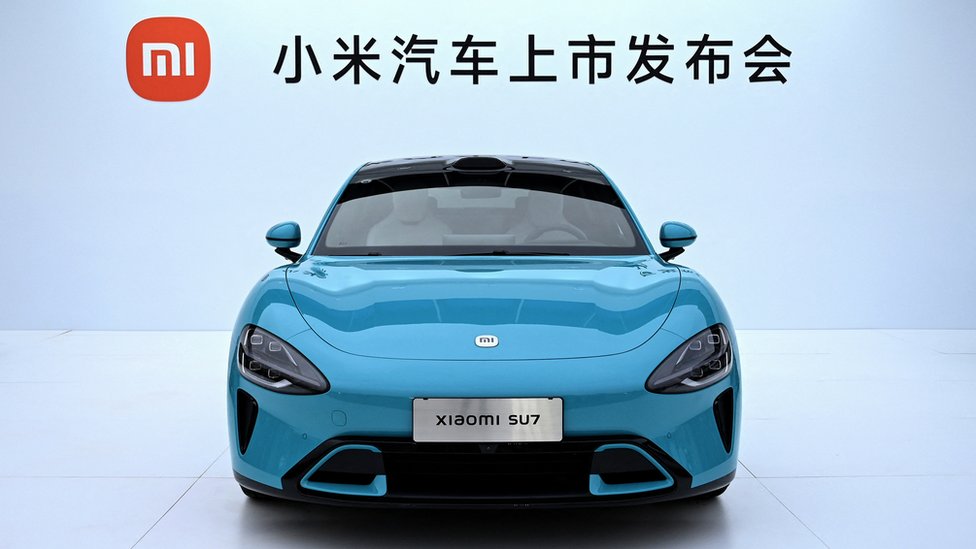
- Xiaomi: A world-famous smartphone maker that crashed into the car industry with incredible speed. Its highly automated factory can build a car every 76 seconds. The Xiaomi SU7 sedan and YU7 SUV seamlessly link up with phones and smart-home devices.
- XPeng: Focuses heavily on smart driving software, advanced AI systems, and futuristic tech like flying cars and robotics.
- Li Auto: Specializes in luxury family SUVs. They are famous for EREVs (Extended-Range Electric Vehicles), which use a small petrol engine acting purely as a generator to charge the battery, completely eliminating “range anxiety.” [2, 3, 4, 17, 19]
Direct Comparison: Traditional vs. Tech-First Chinese Brands
| Feature | Traditional Giants (BYD, Geely, SAIC) | Tech-First Brands (Xiaomi, NIO, Li Auto) |
|---|---|---|
| Primary Focus | Affordable manufacturing, battery tech, mass-market scale | High-end luxury, AI assistant, ecosystem integration |
| Infotainment | Standard screens, traditional setups | Giant screens, smartphone-like operating systems |
| Strengths | Established global dealer networks, lower pricing | Ultra-fast software updates, autonomous driving tech |
Pros and Cons of Chinese Automobiles
🌟 The Pros
- Unbeatable Value: They offer high-end tech, panoramic sunroofs, and premium materials at a fraction of the price of Western or Japanese rivals.
- Advanced Battery Tech: Chinese brands are leading the world in battery efficiency, range, and ultra-fast charging capabilities.
- Next-Gen Software: The interior screens and voice-control systems feel futuristic, often syncing perfectly with your personal electronics.
- Incredible Warranties: New brands entering markets like Europe use massive warranties to gain trust, such as GAC Aion’s “Great Eight” 8-year coverage. [2, 3, 20, 21, 22]
⚠️ The Cons
- Overly Complicated Touchscreens: Many brands completely remove physical buttons. Reviewers at Carwow note that navigating deep menus while driving can be difficult, and some models leave out Apple CarPlay or Android Auto.
- Depreciation & Resale Value: Because many of these brands are brand-new to Western buyers, their long-term reliability and resale values are still unproven.
- Import Tariffs: In some regions like Europe and the US, geopolitical tensions and protective tariffs can drive the retail prices up significantly. [13, 21, 22, 23, 24]