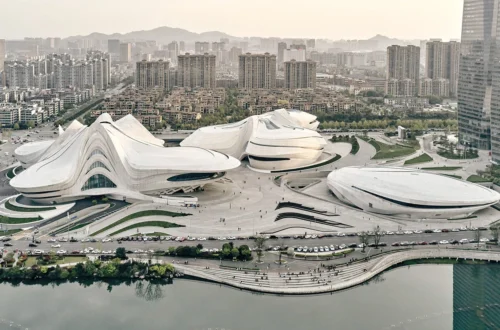
How ChangSha people spend their day? (长沙人的一天)
A typical day for locals in Changsha, Hunan province, revolves around a deep love for intense flavors, a highly relaxed daytime rhythm, and a massive, legendary “night economy”. Known as one of China’s top “entertainment capitals”, the city lives by the phrase “ba de man, na de pai” (meaning resilient, daring, and ready to enjoy life to the fullest). [1, 2, 3, 4, 5]
A local’s daily routine typically unfolds across four distinct phases:
🌄 Morning: The Soul-Awakening “Suo Fen”
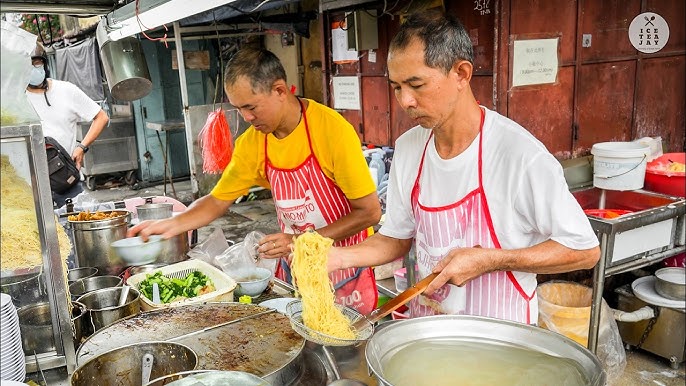
- Waking Up to Rice Noodles: The morning does not start without suo fen (slurping noodles). Locals crowd into unassuming alleyway noodle shops for a bowl of flat or round rice noodles. [1, 2]
- Spicy Fuel: The noodles are served in an intensely savory, spicy bone broth. It is topped with pork, minced meat, or pickled beans to jumpstart the day. [1]
- Slow Morning Rhythms: Older residents head out to Martyr’s Park or the banks of the Xiang River for morning exercises, while professionals commute via bike or metro toward commercial centers like Wuyi Square. [1, 2, 3]
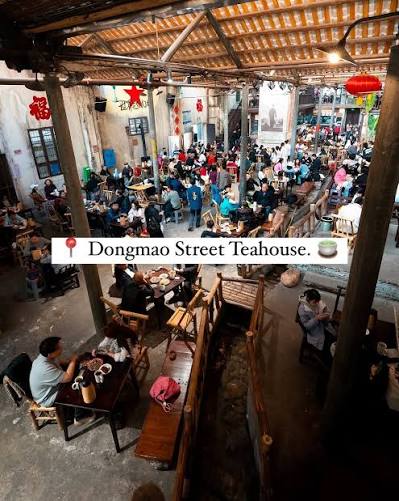
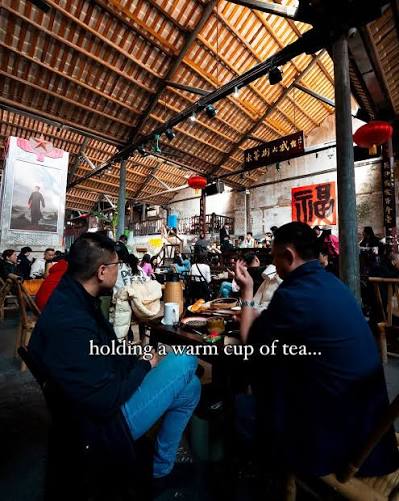

☀️ Afternoon: Tea Culture and Creative Escapes
- The Modern Tea Craze: Changsha is the birthplace of modern, viral Chinese tea brands like Modern China Tea Shop (Cha Yan Yue Se). Grabbing a freshly milk-brewed tea topped with pecan bits is a daily ritual for students and office workers alike. [1, 2, 3]
- River Walks & Academic History: On weekends, locals cross the river to stroll around Orange Isle (Juzizhou) to see the giant youth statue of Mao Zedong, or escape the heat under the ancient trees of Yuelu Academy. [1, 2, 3, 4]
- Trendy Art Stops: The younger crowd frequently hangs out at the architectural marvel Xie Zilong Photography Museum or gets lost in the multi-story retro concrete maze at Super Wenheyou, which meticulously recreates Changsha’s 1980s street life. [1, 2, 3, 4]
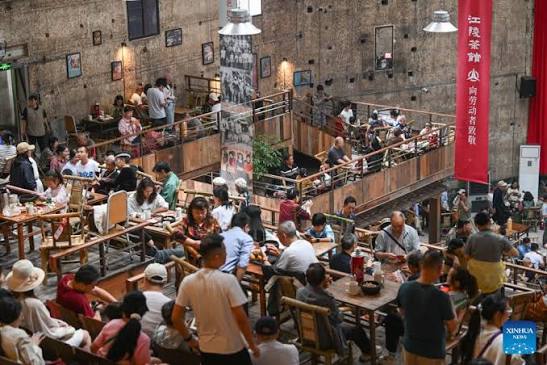
🌆 Dusk to Midnight: The True Day Begins
- The Peak Hour: For Changsha people, life truly begins when the sun goes down. The city’s retail “night economy” accounts for well over half of its total commercial volume. [1, 2]
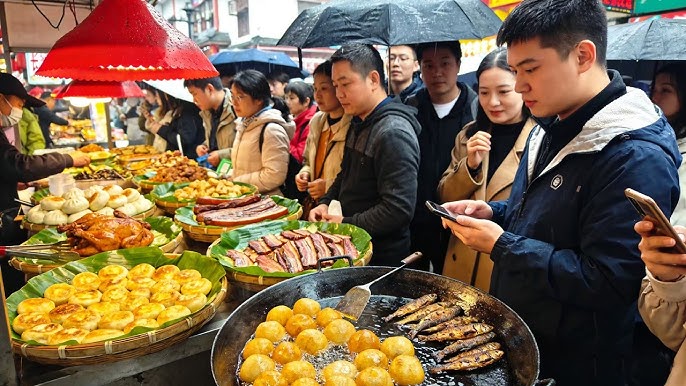
- Feasting on Hunan Cuisine: Dinners are a social, multi-hour affair. Families and friends gather over massive spreads of Xiang cuisine, featuring iconic dishes like steamed fish head with chopped chili, spicy crayfish (kouwei xia), and the legendary local stinky tofu. [1, 2, 3]
- Illuminated Hubs: Massive crowds pack into Huangxing Pedestrian Street, Taiping Street, and Pozi Street under a sea of neon 3D billboards. [1, 2, 3, 4, 5]
🌌 Late Night: The City That Never Sleeps
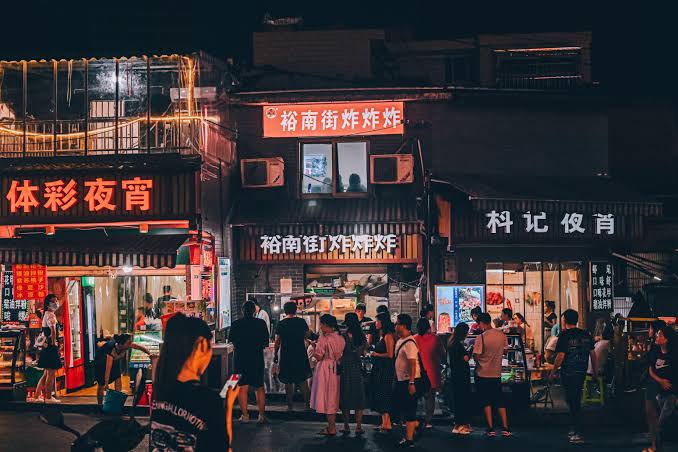
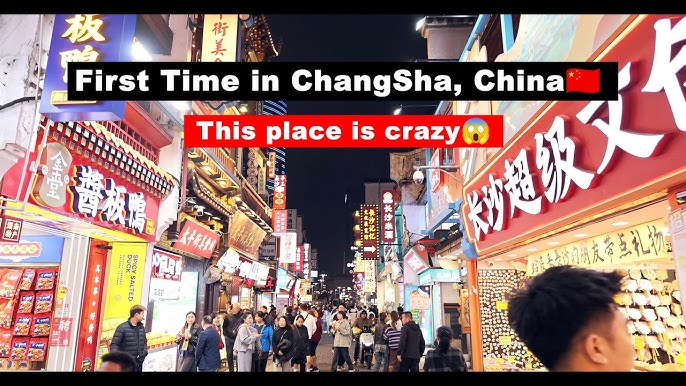
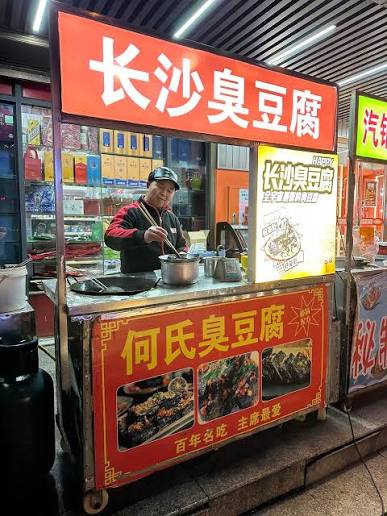
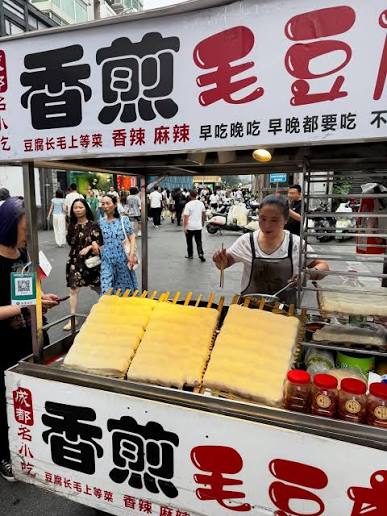
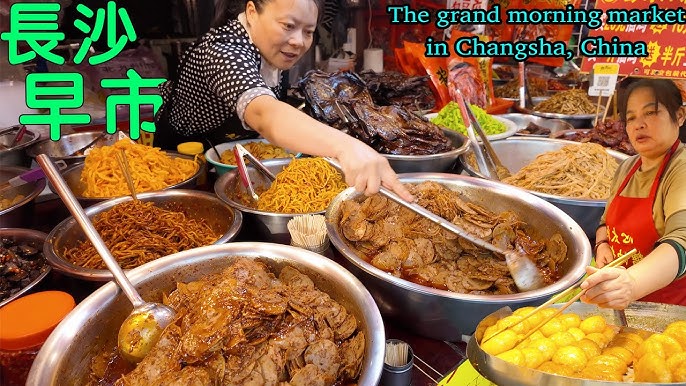
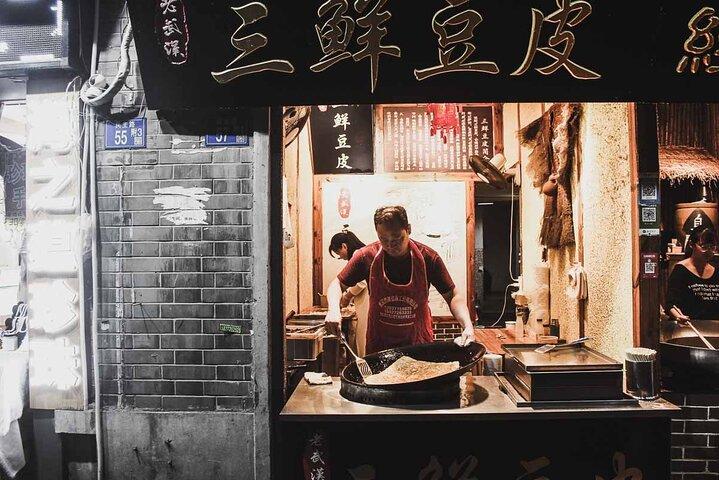
- Midnight Snacking: Even past midnight, the streets remain completely packed. Locals head to neighborhoods like Dongguashan for late-night street barbecue (shao kao) paired with ice-cold beer or hand-squeezed lemon tea.
- Night Hiking: In a unique local phenomenon, thousands of residents regularly participate in mass late-night or early-morning hikes up Yuelu Mountain just to watch the sunrise over the city skyline.
- Entertainment & Media Vibe: As home to China’s powerhouse Hunan TV network, the city is inherently celebrity- and entertainment-driven. It’s very common for locals to spend the early hours of the morning at live music bars, KTV lounges, or modern foot massage spas—which are practically a cultural institution in Changsha for unwinding after a long day. [1, 2, 3, 4, 5]


You May Also Like
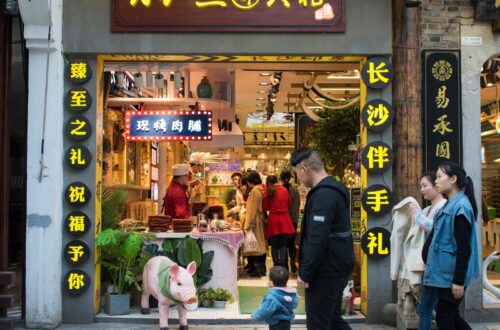
Taiping Street (太平街)
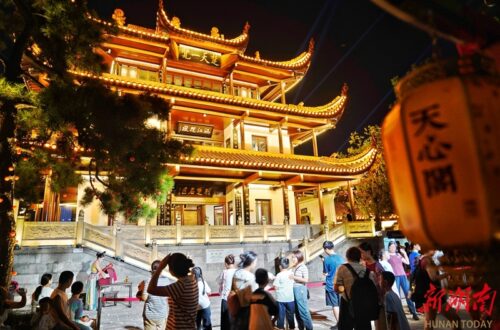
Tianjin Pavilion in Changsha (天心阁)