-
Xiangjiang River Grand Railway Bridge
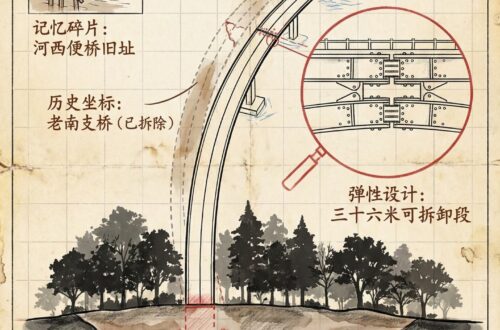
On 2026年 March 17, CREC completed the foundation pile construction of Pier 137 for the Changsha Xiangjiang River Grand Rail-road Bridge , marking another key step forward for the project. The bridge crosses the main Xiangjiang River channel close to existing railways and highways, bringing high construction risks. With extremely hard rock formations and strict environmental protection requirements, the project faces major technical challenges. As an important part of the national high-speed rail network, the line will connect Hunan and Jiangxi with coastal regions and support regional integration. Work on Pier 138 piles is progressing steadily, with full completion expected in mid-April.
-
Lucky Knot Bridge: Changsha 4K
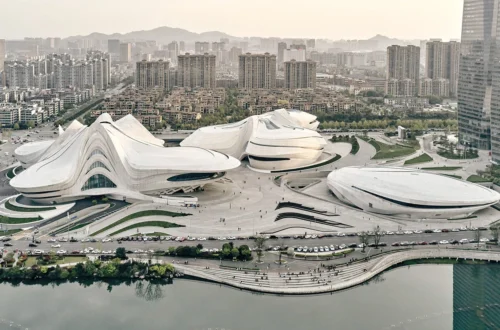
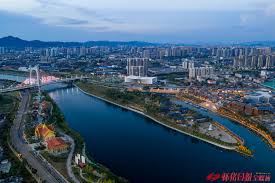
Lucky Knot Bridge at Meixi Lake in the city of Changsha is a fine example of modern Asian architecture. The bridge has been featured on CNN and is one of the top ten most recognizable bridges in the world. The bridge was designed for pedestrians and tourism to bolster the surrounding recreational parks. This video was shot in the middle of the Changsha winter and offers a quick all to know guide about the bridge.
-
How ChangSha people spend their day? (长沙人的一天)
A typical day for locals in Changsha, Hunan province, revolves around a deep love for intense flavors, a highly relaxed daytime rhythm, and a massive, legendary “night economy”. Known as one of China’s top “entertainment capitals”, the city lives by the phrase “ba de man, na de pai” (meaning resilient, daring, and ready to enjoy life to the fullest). A local’s daily routine typically unfolds across four distinct phases: 🌄 Morning: The Soul-Awakening “Suo Fen” ☀️ Afternoon: Tea Culture and Creative Escapes 🌆 Dusk to Midnight: The True Day Begins 🌌 Late Night: The City That Never Sleeps
- History;紅色文化;紅色旅遊, Museum; Art centre; Local hot spot, Travel; Local history;, 非物質文化遺產; 技艺;民俗;戏曲;口頭文化; 传统知识
Changsha Tongguan Kiln (铜官窑)
The Changsha Tongguan Kiln (also known as the Changsha Kiln) is a world-renowned historical porcelain production site located in Wangcheng District, Changsha City, Hunan Province, China. Dating back over 1,200 years to the Tang and Five Dynasties periods, it is celebrated globally as the birthplace of underglaze polychrome porcelain, a revolutionary technique that fundamentally changed the history of Chinese ceramics. Today, the area comprises both an authentic archaeological preservation park and a massive, Tang-style cultural tourism resort town. 🏺 Historical Significance & Ceramic Innovation 🗺️ Key Areas to Visit 1. Changsha Tongguan Kiln National Archaeological Site Park 2. Tongguan Kiln Ancient Town (Guofeng Paradise) 💡 Practical Visitor Tips Are you planning a leisurely vacation trip or looking into…
-
Jinggang Ancient Town (靖港古镇)
Jinggang Ancient Town, located in Wangcheng District, Changsha, Hunan, is a 4A-level historic water town. Known as “Little Hankou” for its prosperous trading past, it features well-preserved Ming and Qing dynasty architecture, stilted buildings, and stone-paved streets. Visitors can explore ancient docks, traditional teahouses, and immersive nighttime water performances. [1, 2] It is a riverside ancient market town, similar to historic canal towns in Europe, with stilt houses, old stone streets and traditional folk crafts. Key Details & Highlights Practical Information
-
Xiangjiang River Scenic Belt (湘江风光带)
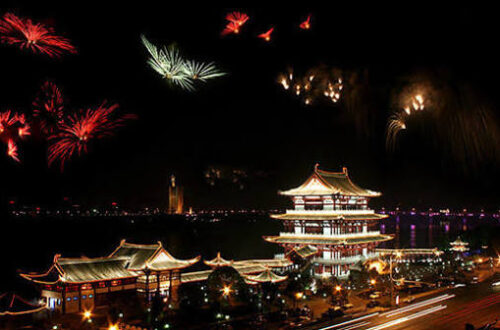
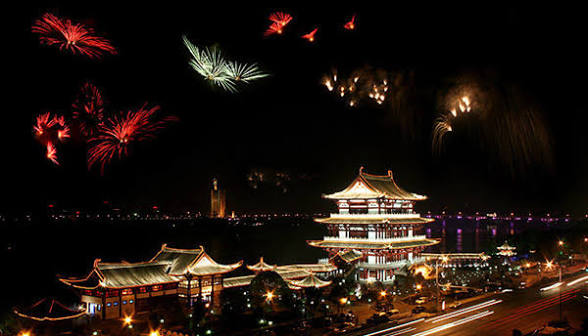
The Xiangjiang River Scenic Belt is a massive, 26-kilometer (16 mi) open-front public park stretching along the banks of the Xiang River in Changsha, Hunan Province, China. Dubbed the “Bund of Changsha,” this multi-functional waterfront corridor seamlessly integrates flood control, historical landmarks, modern green spaces, and vibrant citizen recreation squares. Core Highlights & Attractions Essential Visitor Information Convenient Public Transit The scenic belt is explicitly connected to the Changsha Metro Network via three primary stations: